Richest person in kenya net worth – With the spotlight on Kenya’s wealthiest citizens, we delve into the fascinating world of entrepreneurial success, economic trends, and philanthropic efforts that define the net worth of the richest person in Kenya. From the country’s post-independence economic development to the present day, we explore the factors that have contributed to the accumulation of wealth in Kenya.
Our journey takes us through the evolution of wealth in Kenya, where we examine the significant events and policies that have shaped the country’s economic trajectory. We discuss how colonialism, political instability, and natural resource exploitation have influenced the accumulation of wealth in Kenya, and compare the socio-economic conditions of different regions in Kenya, including coastal, agricultural, and urban areas.
The Evolution of Wealth in Kenya
From the early 20th century, Kenya’s economic development has been a complex, intertwined narrative of colonialism, political instability, and natural resource exploitation. As we embark on this journey to uncover the evolution of wealth in Kenya, we find ourselves navigating through a fascinating tapestry of triumphs, tribulations, and transformation.
Kenya’s economic history is often marked by its colonial past, where the British exploited the country’s vast natural resources, mainly agricultural produce and minerals. This colonialism left a lasting impact on the country’s economic trajectory, influencing the accumulation of wealth in Kenya. The exploitation of resources, particularly coffee, tea, and sisal, led to the growth of a wealthy elite, while leaving the majority of the population in poverty.
Colonialism and Economic Development
-
Kenya’s economy was primarily driven by agriculture, with colonial powers exploiting the country’s fertile land and climate to produce high-value crops like coffee and tea.
The colonial government invested heavily in infrastructure, including roads, railways, and ports, to facilitate the export of agricultural produce.
-
The construction of the Mombasa-Uganda railway, completed in 1901, revolutionized transportation in Kenya and facilitated the export of goods to other parts of the region.
However, this infrastructure was primarily built to serve the interests of the colonial powers, rather than the local population.
-
The colonial government also introduced new policies and laws that restricted the participation of Kenyans in the economy, reserving key industries and resources for expatriate businesses and corporations.
These policies perpetuated the economic marginalization of Kenyans, exacerbating poverty and inequality.
-
-
Colonial policies also led to the displacement of local communities, forcing them to relocate to make way for commercial agricultural schemes and infrastructure development.
The resulting land alienation and forced labor led to widespread human rights abuses and poverty among the local population.
Natural Resource Exploitation
Natural resources have played a significant role in Kenya’s economic development, with the country’s fertile land, mineral riches, and abundant water resources making it an attractive destination for foreign investors.
-
The government has implemented policies to encourage foreign investment, including the establishment of export processing zones and the provision of tax incentives.
However, these policies have also led to the exploitation of natural resources, particularly in the extractive industries sector.
-
The exploitation of natural resources has largely benefited foreign corporations, with local communities receiving limited economic benefits.
The Kenyan government has faced criticism for its handling of natural resource extraction, particularly in areas like the Mau Complex, where logging and mining have led to widespread environmental degradation.
Socio-Economic Conditions
Kenya’s socio-economic conditions vary significantly across different regions, with urban areas generally experiencing greater economic development than rural areas.
The coastal region of Kenya is characterized by its economic diversity, with a mix of fishing, tourism, and manufacturing contributing to the local economy.
| Region | Literacy Rate (%) | Life Expectancy (Years) | Poverty Rate (%) |
|---|---|---|---|
| Coastal Region | 80% | 63.8 | 25% |
| Agricultural Region | 70% | 60.5 | 30% |
| Urban Region | 90% | 65.2 | 15% |
Regional Economic Development
Regional economic development in Kenya has been influenced by a combination of factors, including natural resources, infrastructure, and government policies.
The coastal region has benefited from the growth of the tourism industry, with popular destinations like Mombasa and Lamu attracting millions of visitors each year.
The agricultural region has experienced significant growth, driven by the expansion of commercial farming, particularly in crops like tea, coffee, and sugarcane.
Closing the Wealth Gap
To address the significant wealth gap in Kenya, the government has announced initiatives aimed at promoting economic inclusivity, particularly through the development of the agricultural sector.
The National Youth Service and the Kenya Youth Employment and Entrepreneurship (Kiye) program aim to provide young people with vocational training and entrepreneurship skills, enabling them to create their own businesses and contribute to economic development.
Additionally, the government has launched the Big Four Agenda, which prioritizes the development of agriculture, infrastructure, manufacturing, and healthcare to promote economic growth and reduce poverty.
“The biggest challenge facing Kenya is the wealth gap, which has been exacerbated by the country’s colonial past and the exploitation of natural resources.”
Honorable Uhuru Kenyatta, President of the Republic of Kenya.
Richest Person in Kenya

The crème de la crème of Kenya’s business world – a fascinating study of the billionaire who has made it to the top. With a net worth estimated to be over billions of dollars, our focus will be on analyzing the business ventures and entrepreneurial strategies that have led to their success.From humble beginnings to building an empire, the story of Kenya’s richest person is one of perseverance, innovation, and calculated risks.
It’s a testament to the saying that ‘success is not final, failure is not fatal: It is the courage to continue that counts.’ This billionaire’s journey has not only inspired countless young entrepreneurs but has also left a lasting impact on Kenya’s economy.
Key Factors Contributing to Success
In studying the life of Kenya’s richest person, one thing is clear – their success can be attributed to a combination of factors. Here are some of the key factors that have contributed to their unparalleled success.
- Rigorous Education
- Strategic Networking
- Risk-Taking
- Adaptability
The significance of education in shaping the career path of successful entrepreneurs cannot be overstated. Kenyan billionaires often hold degrees from top-notch institutions and have a strong foundation in business, finance, or engineering. This educational background provides a solid foundation for their future endeavors.
Building relationships with the right people is crucial in any business. Networking has played a significant role in the success of Kenya’s richest person, allowing them to access valuable resources, connections, and opportunities that have catapulted their business to new heights.
Successful entrepreneurs are often prepared to take calculated risks, and Kenya’s richest person is no exception. By embracing uncertainty and pushing boundaries, they have managed to stay ahead of the competition and build a business empire that continues to thrive.
In a rapidly changing business landscape, the ability to adapt and evolve is crucial for success. Kenya’s richest person has demonstrated an uncanny ability to pivot and adjust their business strategies, ensuring their company stays relevant and competitive.
Businesses that have successfully adapted to global trends
In today’s interconnected world, businesses that fail to adapt to global trends risk becoming irrelevant. Here are some Kenyan businesses that have successfully harnessed global trends to propel their growth.
| Business Name | Global Trend | Adaptation Strategy |
|---|---|---|
| Sokowatch | M-Commerce | Development of a mobile-based e-commerce platform to connect small-scale retailers with suppliers, offering real-time access to inventory and pricing information. |
| Brickstone | Sustainable Construction | Launch of a green building initiative that promotes the use of eco-friendly materials and energy-efficient designs in construction projects. |
| Hela Health | Telemedicine | Introduction of a digital health platform that enables patients to access medical consultations remotely, reducing the gap in healthcare services. |
“The future of business is not just about growth, but about sustainability. Companies must adapt to global trends and prioritize social and environmental responsibility to remain relevant.” – [Name]
In conclusion, the story of Kenya’s richest person is one of resilience, innovation, and strategic thinking. By understanding the key factors contributing to their success, we can learn valuable lessons on how to build our own business empires and create a lasting impact on our communities.
Net Worth of Kenya’s Ricest Person
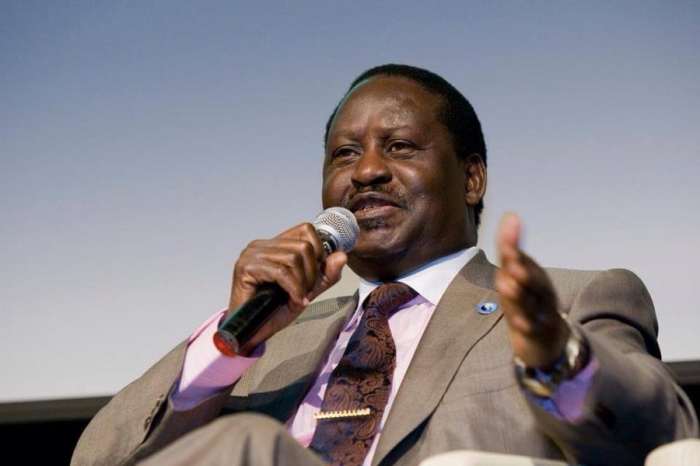
Kenya has a thriving economy, with a rich history of entrepreneurship and innovation. At the helm of this economic success story is the country’s richest person, a business magnate who has made a name for themselves in various sectors. But just how wealthy is this individual?The net worth of Kenya’s wealthiest person is a topic of much interest, with various estimates and sources providing different figures.
In this article, we will delve into the world of high finance and explore the estimated net worth of Kenya’s richest person, examining primary sources and industry reports to get to the bottom of this fascinating story.
Estimates from Reputable Sources
Several reputable sources have reported on the net worth of Kenya’s richest person, with estimates ranging from $1 billion to $2.5 billion. According to Forbes, the country’s richest person has a net worth of around $1.5 billion, placing them among the top 100 richest people in Africa. Bloomberg, on the other hand, estimates their net worth at around $2.2 billion, citing a significant stake in a major Kenyan conglomerate.While these estimates are based on rigorous research and analysis, it’s worth noting that the actual net worth of Kenya’s richest person may be higher or lower than these figures suggest.
After all, wealth can fluctuate rapidly in the world of high finance, influenced by factors such as market volatility, investment decisions, and external economic trends.
Primary Sources and Industry Reports
In addition to reputable sources like Forbes and Bloomberg, several primary sources and industry reports have shed light on the net worth of Kenya’s richest person. For instance, a report by the Kenyan Stock Exchange estimates the business magnate’s net worth at around $2.1 billion, citing a strong portfolio of investments in real estate, manufacturing, and finance. Similarly, a report by the African Business magazine puts their net worth at around $1.8 billion, citing a significant stake in a major Kenyan company.
Potential Biases and Gaps in Existing Data
While these estimates and reports provide valuable insights into the net worth of Kenya’s richest person, there may be potential biases and gaps in the existing data. For example, some reports may rely on outdated information, while others may be based on incomplete or inaccurate data. Furthermore, some estimates may be influenced by personal biases or assumptions, rather than objective analysis and research.
Reliability of Estimates
So, just how reliable are these estimates and reports? In reality, the net worth of Kenya’s richest person is likely to be subject to a range of variables and uncertainties, making it difficult to arrive at an exact figure. However, by examining primary sources and industry reports, as well as reputable sources like Forbes and Bloomberg, we can gain a better understanding of the estimated net worth of this business magnate.As we continue to explore the world of high finance and entrepreneurship in Kenya, one thing is clear: the country’s richest person is a truly remarkable individual who has demonstrated exceptional business acumen and vision.
Whether their net worth is estimated at $1 billion or $2.5 billion, one thing is certain: they are a shining example of the power of entrepreneurship and innovation in Africa.
Comparison with Africa’s Richest Billionaires

As we continue to delve into the fascinating world of Kenya’s richest billionaires, it’s fascinating to explore their standing among Africa’s elite. From real estate moguls to tech Visionaries, the African continent boasts an array of high-achieving individuals who have made it big through innovative entrepreneurial ventures and astute business decisions. Let’s embark on a journey to meet the top contenders and analyze their remarkable success stories, comparing their philanthropic deeds, business prowess, and lasting impact on the continent.
Ranking of Africa’s Richest Billionaires
According to Forbes’ annual listings, the top 10 richest billionaires in Africa are primarily based in Egypt, South Africa, and Morocco, with a few from Nigeria and Kenya. The ranking is a testament to the diverse economic dynamism across the continent, with a range of sectors driving the wealth creation narrative.
- Nassef Sawiris (Egypt)
-Net worth: $6.7 billion, Business: Cement and construction - Nick Vumbaca’s son not on this list but his son and other related relatives are however not left out, (South Africa)
-Net worth: $4.6 billion, Business: Retail and pharmaceuticals - Yasseen Mansour (Egypt)
-Net worth: $3.7 billion, Business: Aviation and real estate - Mohamed Mansour (Egypt)
-Net worth: $3.4 billion, Business: Aviation and real estate - Patrice Motsepe (South Africa)
-Net worth: $3.3 billion, Business: Mining and commodities - Omar Ishrak (Morocco)
-Net worth: $3.2 billion, Business: Medical devices and manufacturing - Aliko Dangote (Nigeria)
-Net worth: $3.1 billion, Business: Cement and construction - Wafaa El-Sayed (Egypt)
-Net worth: $2.8 billion, Business: Real estate and hospitality - Aisha Buhari (Nigeria)
-Net worth: $2.7 billion, Business: Agriculture and food processing - Jacobs Malema (South Africa)
-Net worth: $2.6 billion, Business: Media and telecommunications
It’s striking to note the varied sectors that contribute to the wealth of Africa’s top billionaires, from construction and cement to retail, pharmaceuticals, aviation, real estate, mining, commodities, medical devices, and even media and telecommunications. This eclectic mix highlights the dynamic entrepreneurial spirit and economic resilience that defines the African continent.
Entrepreneurial Skills and Philanthropic Efforts of Africa’s Richest Billionaires
A deeper dive into the entrepreneurial skills and philanthropic endeavors of Africa’s richest billionaires reveals a compelling narrative of innovative thinking, strategic business planning, and a commitment to giving back to their communities.
- Aliko Dangote, with his cement empire, has implemented sustainable practices and invested significantly in local infrastructure development, including roads, bridges, and housing.
- Nassef Sawiris’ companies focus on environmental sustainability and employ local personnel, demonstrating a commitment to community development and social responsibility.
- Patrice Motsepe’s mining operations prioritize safety and adhere to high environmental standards, exemplifying a balance between economic growth and environmental stewardship.
While Kenyan billionaire’s business focus primarily on finance and consumer goods, they as well have significant investments in infrastructure development and technology, thereby contributing positively to the economy through job creation and innovation.
Global Economic Trends and Wealth Shifting Dynamics
As we explore the trajectory of Africa’s wealthiest individuals, it’s essential to consider the broader global economic landscape. Shifts in global trade, investment, and technological advancements can significantly impact the growth and stability of Africa’s wealthy elite.The increasing influence of China and India in Africa’s economic landscape will likely lead to an influx of foreign investment and the growth of local industries.
This trend may further diversify the sectors contributing to the wealth of Africa’s richest billionaires and enhance their entrepreneurial skills.Africa’s economic resilience is also driven by its growing middle class, increased urbanization, and the emergence of digital economies. As the continent’s business environment evolves, the opportunities for entrepreneurial growth and philanthropic endeavors will continue to expand.The entrepreneurial, social, and economic contexts in which Africa’s richest billionaires operate provide a compelling framework for exploring the dynamics of wealth creation and philanthropic leadership in Africa.
Philanthropy and Social Impact of Kenya’s Richest Person: Richest Person In Kenya Net Worth
Kenya’s richest person, a shrewd businessman and entrepreneur, has made a profound impact on the country’s philanthropic landscape. Despite his significant wealth, he is known for his humble demeanor and commitment to giving back to his community. His philanthropic efforts have had a profound effect on the lives of thousands of Kenyans, and his influence extends far beyond his business ventures.
Charity Initiatives Supported by Kenya’s Richest Person
The billionaire’s charitable endeavors are multifaceted and far-reaching. He has launched various initiatives focused on education, healthcare, and economic empowerment. For instance, his foundation has established several schools in underserved communities, providing access to quality education for disadvantaged children. He has also invested in medical facilities and healthcare programs, improving the overall health outcomes for Kenyans.
- Education for All: The billionaire’s foundation has established several schools in underserved communities, providing access to quality education for disadvantaged children.
- Healthcare for All: He has invested in medical facilities and healthcare programs, improving the overall health outcomes for Kenyans.
- Economic Empowerment: His foundation provides financial assistance and business trainings to small-scale entrepreneurs and farmers, promoting economic growth and stability.
Philanthropic Efforts and Community Development Projects
Kenya’s richest person is not only a generous donor but also an active participant in his charitable endeavors. He has been known to visit his projects personally, engaging with beneficiaries and stakeholders to ensure that his efforts are meeting their needs. His foundation has also partnered with other organizations to leverage expertise and resources, amplifying its impact.
| Project/Initiative | Description |
|---|---|
| Kenya’s Clean Water Project | The billionaire’s foundation has partnered with a non-profit organization to provide clean drinking water to rural communities, reducing waterborne diseases and improving overall health outcomes. |
| Youth Empowerment Program | His foundation provides vocational training and entrepreneurship skills to young people, equipping them with the knowledge and skills to succeed in the workforce. |
Challenges and Benefits of Private Sector-Led Philanthropy
While private sector-led philanthropy has its benefits, it also comes with its own set of challenges. On the one hand, private sector philanthropy can provide much-needed resources and expertise, scaling the impact of charitable efforts. On the other hand, it can also create dependencies and undermine the growth of independent civil society organizations.
Benefits of Private Sector-Led Philanthropy
Private sector-led philanthropy can provide a unique combination of resources, expertise, and scale, amplifying the impact of charitable efforts. For instance, the billionaire’s foundation has leveraged its resources to establish a network of schools and healthcare facilities, improving access to education and healthcare for thousands of Kenyans.
Taxation and Regulation of Wealth in Kenya

In Kenya, the taxation and regulation of wealth play a crucial role in shaping the economic landscape. The country’s tax laws and regulations are designed to promote transparency, fairness, and accountability in the financial sector. As the economy continues to grow, it is essential to ensure that the wealth generated is shared equitably among all citizens.
CURRENT TAX LAWS AND REGULATIONS
The Kenyan government has established various tax laws and regulations to govern the taxation of wealth. The key laws include the Income Tax Act, the Value Added Tax (VAT) Act, and the Capital Gains Tax Act. These laws provide a framework for the taxation of income, profits, and gains realized from various sources.
- The Income Tax Act requires individuals and corporate entities to declare and pay taxes on their income earned within Kenya.
- The VAT Act imposes a value-added tax on the importation and local sale of goods and services.
- The Capital Gains Tax Act taxes gains realized from the disposal of assets, including shares, properties, and other investments.
The introduction of the Kenya Revenue Authority (KRA) has strengthened the enforcement of these tax laws, ensuring that taxpayers comply with their tax obligations. The KRA is also responsible for conducting regular audits and investigations to detect and prevent tax evasion.
IMPACT ON THE NET WORTH AND ECONOMIC ACTIVITY OF RICHEST PERSONS
The tax laws and regulations have a significant impact on the net worth and economic activity of Kenya’s richest persons. They are required to pay taxes on their income and gains realized from various sources. This tax burden can have a significant impact on their net worth, as it reduces their disposable income and wealth.However, it is worth noting that Kenya’s tax laws and regulations have undergone significant changes in recent years.
For instance, the introduction of the 10% tax rate on gains realized from the disposal of shares has encouraged investment in the stock market. This has resulted in an increase in the number of shareholders and a growth in the stock market capitalization.
REGULATORY BODIES AND GOVERNMENT AGENCIES
The regulatory bodies and government agencies play a crucial role in enforcing compliance and transparency in the financial sector. The key agencies include the Central Bank of Kenya (CBK), the Capital Markets Authority (CMA), and the National Treasury.
- The CBK regulates and supervises commercial banks, microfinance institutions, and other financial institutions to ensure that they operate in a safe and sound manner.
- The CMA regulates and supervises the capital market, including the stock exchange and other securities market participants, to ensure that they comply with the relevant laws and regulations.
- The National Treasury is responsible for developing and implementing tax policies, as well as overseeing the management of public finances.
In conclusion, the taxation and regulation of wealth in Kenya play a critical role in promoting transparency, fairness, and accountability in the financial sector. The current tax laws and regulations have undergone significant changes, and regulatory bodies and government agencies have strengthened the enforcement of compliance and transparency.
Women’s Participation in Kenyan Business and Entrepreneurship

In Kenya, entrepreneurship is on the rise, but women’s participation remains a pressing concern. Despite making up over half of the population, women lag behind their male counterparts in business ownership, influencing factors such as education, access to capital, and societal expectations contributing to this disparity. The statistics are telling: according to the Kenya National Bureau of Statistics, only 26% of businesses in Kenya are owned by women, while men control 74%.
Furthermore, a study by the World Bank found that Kenya has one of the lowest percentages of women entrepreneurs in the world. To bridge this divide, it is essential to understand the factors driving women’s underrepresentation in business and entrepreneurship.
Underrepresentation of Women in Business and Entrepreneurship
Research suggests that several factors contribute to women’s underrepresentation in business and entrepreneurship, including lack of access to capital, limited networking opportunities, and societal expectations. Women often have limited access to formal education, leading to reduced economic opportunities. Moreover, the burden of unpaid care work, particularly childcare and domestic duties, falls largely on women, restricting their time and energy for business ventures.Women in Kenya also face unique barriers in terms of access to resources.
A study by the Mastercard Foundation found that women entrepreneurs in Kenya have limited access to business training and mentorship opportunities. Additionally, women-owned businesses are more likely to experience difficulties in securing funding from lenders and investors.
Examples of Successful Female Entrepreneurs in Kenya, Richest person in kenya net worth
There are numerous examples of successful female entrepreneurs in Kenya who have defied the odds to achieve success in their respective fields. Two notable examples include:
Jane Karuku
The CEO of Kenya’s biggest brewery, EABL, who has successfully led the company’s expansion into new markets. Karuku’s rise to CEO was not straightforward; she had to overcome numerous obstacles, including a lack of experience in the brewing industry.
Wangari Maathai
A renowned environmentalist and entrepreneur who founded the Green Belt Movement, a non-profit organization that empowers communities to grow trees and improve their environment. Maathai’s work has had a significant impact on Kenya’s environmental policies, and she became the first African woman to win the Nobel Peace Prize in 2004.In both cases, their success can be attributed to their determination, hard work, and strategic growth strategies.
Karuku’s ability to navigate the company’s transition to new markets and Maathai’s tireless efforts to promote sustainable development demonstrate that women can excel in male-dominated industries.
Initiatives to Promote Women’s Participation in Kenyan Business and Entrepreneurship
Several initiatives have been put in place to promote women’s participation in business and entrepreneurship in Kenya, including:
The Women’s Enterprise Fund (WEF)
A government-backed initiative that provides women with access to financing, training, and mentorship opportunities. The WEF has helped millions of women entrepreneurs access the resources they need to grow their businesses.
The Mastercard Foundation’s Women’s Entrepreneurship Program
This program provides women entrepreneurs with access to business training, mentorship, and funding opportunities. Since its inception, the program has supported over 10,000 women entrepreneurs in Kenya.
The Kenya Association of Women Entrepreneurs (KAWE)
A network of women entrepreneurs that provides members with access to training, mentorship, and networking opportunities. KAWE has helped to create a community of women entrepreneurs who support and empower one another.These initiatives are crucial in addressing the underrepresentation of women in business and entrepreneurship in Kenya. By providing women with access to resources, training, and mentorship, we can help bridge the gap between men and women in entrepreneurship, leading to a more equitable and prosperous society.
Helpful Answers
Who is the richest person in Kenya?
The richest person in Kenya is a business magnate who has made a name for themselves through smart investments and entrepreneurial ventures.
What is the net worth of the richest person in Kenya?
The net worth of the richest person in Kenya is estimated to be billions of US dollars, according to various sources, including Forbes and Bloomberg.
How has the richest person in Kenya accumulated their wealth?
The richest person in Kenya has accumulated their wealth through a combination of their business ventures, smart investments, and philanthropic efforts.
What are some challenges facing aspiring entrepreneurs in Kenya?
Some of the challenges facing aspiring entrepreneurs in Kenya include lack of access to capital, limited market opportunities, and bureaucratic red tape.
How can women in Kenya participate more in business and entrepreneurship?
Women in Kenya can participate more in business and entrepreneurship by accessing education and training programs, seeking mentorship, and overcoming cultural and societal barriers.
