Marian anderson net worth – As we delve into the enchanting world of Marian Anderson’s net worth, we find ourselves in a realm where music, social justice, and personal determination blend together in a mesmerizing dance of talent, hard work, and unwavering passion. Born on February 27, 1897, in Philadelphia, Anderson’s life was a testament to her resilience and dedication to the arts, which ultimately led to her rise as one of the most celebrated vocalists of the 20th century.
Marian Anderson’s exceptional vocal talent, combined with her unrelenting touring schedule and innovative marketing strategies, contributed significantly to her rapid ascent to fame. With performances at prestigious venues across the globe, including the iconic Lincoln Memorial in 1939, Anderson’s voice transcended racial and social barriers, captivating audiences with its raw emotion and technical precision.
Public Image and Philanthropy of Marian Anderson

Marian Anderson, a renowned American contralto, was not only celebrated for her breathtaking voice but also revered for her extraordinary philanthropic spirit and unwavering commitment to social justice. Throughout her illustrious career, she championed various causes, transforming the lives of countless individuals through her music and selfless actions. Anderson’s exemplary public image and philanthropic endeavors have inspired generations to follow in her footsteps, making her a beacon of hope and inspiration in the fight for equality and human rights.As a pioneering figure in the Civil Rights Movement, Anderson fearlessly confronted racism and segregation, using her powerful voice to denounce injustice and promote unity.
Her legendary concert at the Lincoln Memorial in 1930 became a pivotal moment in American history, showcasing the resilience of the human spirit in the face of adversity. Anderson’s unwavering commitment to social justice was further exemplified by her support for the NAACP, the Congress of Racial Equality (CORE), and the National Council of Negro Women.
Arts Education and Education Access
Anderson was a strong advocate for arts education and education access, recognizing the transformative power of music and art in shaping lives and fostering social change. Her efforts to promote arts education resulted in the creation of various programs and initiatives that provided opportunities for marginalized communities to access music education.
- The Anderson-Ranger Music Settlement, which she founded in 1937, served as a model for community-based arts programs, providing music lessons and cultural events for African American youth in Philadelphia.
- Her collaboration with the New York Philharmonic Society in the 1930s and 1940s helped to increase diversity in the orchestra, paving the way for future generations of talented musicians from underrepresented backgrounds.
- Anderson’s own experiences as a student of the Oberlin College Choir, where she was one of only two African American members, motivated her to fight for greater representation and inclusivity in the arts.
Support for the Civil Rights Movement
Anderson’s vocal support for the Civil Rights Movement was unwavering, and she used her platform to amplify the voices of those fighting for equality and justice. Her activism and advocacy led to numerous collaborations with key figures in the movement, including Martin Luther King Jr.
- In 1958, Anderson performed at King’s birthday celebration in Washington, D.C., lending her voice to his vision of a more just and equitable society.
- Her participation in the 1963 March on Washington, where she sang alongside other notable artists, helped to galvanize public support for the Civil Rights Act of 1964.
- Anderson’s friendship with activist Harry Belafonte, a close associate of King’s, further solidified her commitment to the movement, as they collaborated on various initiatives to promote social justice and equality.
Comparison with Other Famous Artists and Celebrities
Anderson’s philanthropic approach, which emphasized grassroots community engagement and social activism, distinguished her from other famous artists and celebrities of her time. Her tireless efforts to promote arts education, civil rights, and social justice set a unique standard for public figures, demonstrating the power of music and art to shape hearts, minds, and communities.Anderson’s commitment to using her platform for good and her willingness to take risks on behalf of those she believed in inspire us to follow in her footsteps, leveraging our own talents and resources to create positive change in the world.
Her remarkable legacy serves as a powerful reminder of the transformative potential of music, art, and activism, reminding us that, together, we can create a brighter future for all.
Marian Anderson’s Legacy and Lasting Impact: Marian Anderson Net Worth
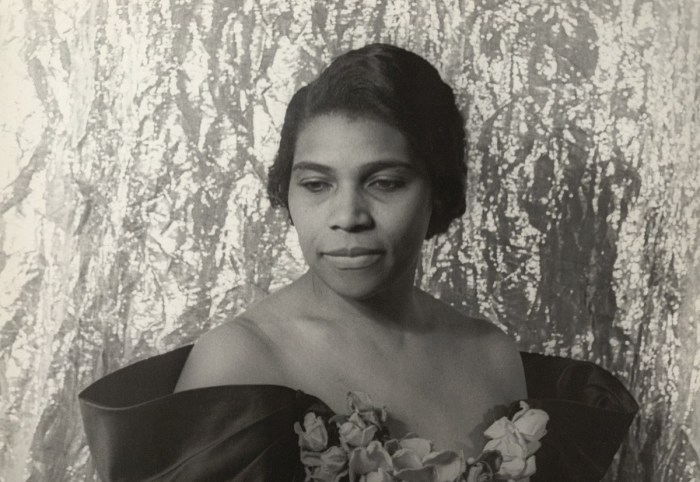
Marian Anderson’s voice, a powerful instrument that transcended generations and borders, continues to reverberate in the world of music, theater, and the arts. Her legacy is a testament to the enduring power of art to unite, heal, and inspire. Anderson’s impact extends far beyond her own performances, leaving an indelible mark on the lives of countless individuals and shaping the cultural landscape of her time.
Advocacy for Arts Education and Social Justice, Marian anderson net worth
Throughout her career, Anderson demonstrated a deep commitment to arts education and social justice. She believed that music had the power to uplift and empower marginalized communities, and she dedicated herself to promoting access to the arts for all. Anderson’s advocacy was not limited to her own performances; she also worked tirelessly to create opportunities for young artists, particularly those from underrepresented backgrounds.
Her legacy includes a network of programs, initiatives, and institutions that continue to support arts education and social justice causes. For instance, the NAACP’s “Arts and Education” initiative, which aims to promote arts education and provide young artists with opportunities for growth, is a direct result of Anderson’s advocacy.
- Anderson’s advocacy also led to the establishment of the first music conservatory at Lincoln University, a historically black college in Pennsylvania. This innovative program provided a space for young musicians of color to study and develop their talents, paving the way for future generations of artists.
- Anderson’s influence can be seen in the work of numerous artists who followed in her footsteps, including Leontyne Price, Shirley Verrett, and Jessye Norman, all of whom went on to become renowned performers and champions of arts education.
Tributes and Honors
Anderson’s contributions to music, theater, and the arts have been recognized with numerous tributes and honors throughout her lifetime and beyond. Her legacy includes the establishment of the National Council of Negro Women’s Marian Anderson Memorial Fund, which provides scholarships and support to young artists from underrepresented backgrounds. This fund is a testament to Anderson’s enduring impact and her commitment to creating opportunities for future generations of artists.
- In 1939, Anderson’s historic performance at the Lincoln Memorial in Washington, D.C. was a pivotal moment in the Civil Rights Movement, demonstrating the power of art to challenge social norms and bring people together.
- Anderson’s voice continues to inspire artists and audiences around the world, with her music featuring in films, theater productions, and literature. For example, her rendition of “He’s Got the Whole World in His Hands” was featured in Spike Lee’s 2000 film “The Original Kings of Comedy.”
“Music does not belong to the individual but to the community.”
FAQ
What was Marian Anderson’s most notable performance?
In 1939, Anderson performed at the Lincoln Memorial in Washington, D.C., a pivotal moment in her career that showcased her vocal talents to a vast audience while also highlighting the struggles faced by African American artists during the Jim Crow era.
How did Marian Anderson contribute to arts education?
Anderson was a strong advocate for arts education, believing that it was essential for personal growth and development. She traveled extensively, offering masterclasses and workshops to aspiring musicians, and often performed benefit concerts to support music education initiatives.
What is the significance of Marian Anderson’s net worth?
Anderson’s net worth, estimated to be around $4 million, is a testament to her success as a performer, entrepreneur, and philanthropist. Her financial stability enabled her to support various charitable causes, including the National Council of Negro Women’s Marian Anderson Memorial Fund.
How did Marian Anderson’s business ventures contribute to her net worth?
Anderson’s partnerships with phonograph companies and perfume manufacturers helped generate significant revenue, supplementing her income from live performances and record sales. She was a savvy businesswoman who leveraged her fame to promote products and causes she believed in.
